- Not a substitute for professional veterinary help.
As pet parents, we always want to ensure our cats are living their best lives. But cats don’t experience and express emotions in the same ways that we do—or even in the same ways as dogs. So, how can you tell if your cat is happy?
“Happy cats are usually relaxed around their human and cat families, and they freely solicit interactions from them,” says Tom Kirby, a certified animal behavior consultant and founder of Kitty Help Desk. He adds that happy cats don’t run away when approached and will interact with you by purring, headbutting, and showing other displays of enjoyment.

From “making biscuits” to drooling, we share common signs of a happy cat, plus what to do if you think your cat is unhappy.
Signs Your Cat Is Happy With You
Signs of a happy cat include certain vocalizations, relaxed body language, and an increased desire to explore and play. Experts say to look for these 10 signs.
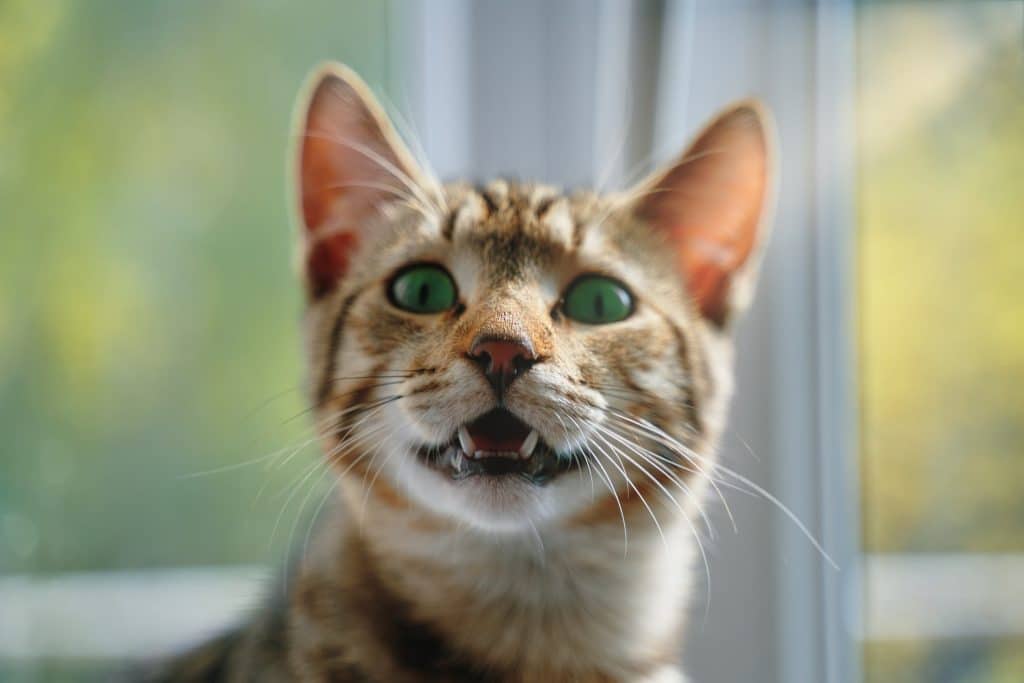
Purring, chirping, and meowing
Happy cat sounds include purring when you pet your kitty or when they’re lounging. It’s not unusual for purring to kick into high gear when a cat is cuddling or kneading their paws on a soft surface, especially when that soft surface is their favorite human.
At times, your cat may chirp like a bird when they’re sitting at their favorite window, watching birds or squirrels. That’s a hunter’s instinct coming to the fore.
While adult cats tend not to meow at each other, many cats will meow at their humans, says Baltimore-based cat behavior expert Laura Cassiday. High-pitched meows and meows that are greetings are especially cheerful.
That said, a talkative cat isn’t always a happy cat. If your cat is meowing more than usual or acting differently, it’s a good idea to consider whether a vet visit is in order.
-

iStock/Savusia Konstantin
Relaxed body movements
You can tell a lot about your kitty’s mood by reading cat body language. A cat that stretches out, flops over, and exposes their belly is a cat who feels safe and secure around you and in their environment. It may not be an invitation for a tummy rub, though!
Happy cat behavior also includes rubbing their faces and bodies on furniture and corners or even on you or other pets in the home. Cats do this to leave their scent but also to get your attention.
The loaf is another adorable cat pose that indicates a comfortable, relaxed kitty. In this position, cats tuck their front and back paws underneath their body, wrapping their tail around them, head upright.
Kneading
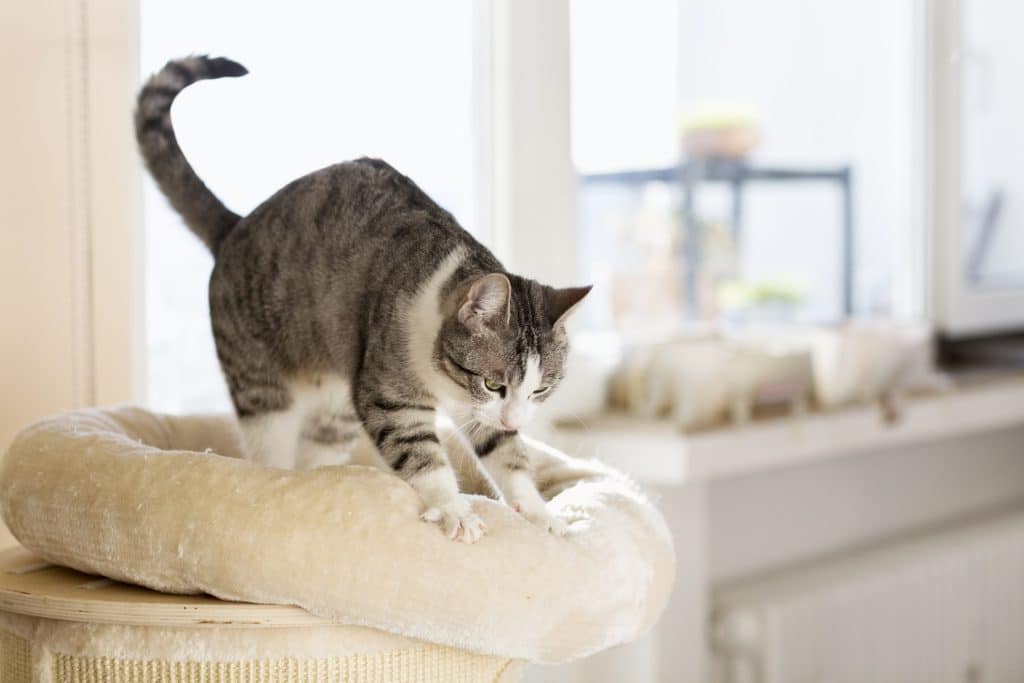
Kneading, aka “making biscuits,” is a sweet way your cat shows they’re cozy, winding down, or marking their territory. Cats knead to stretch their muscles. They also do it to “fluff up” their resting place, just like a pillow.
They learn the behavior as a kitten, kneading milk out of their mother’s belly. As an adult, the action brings comfort and a sense of security.
Slow blinks and eye contact
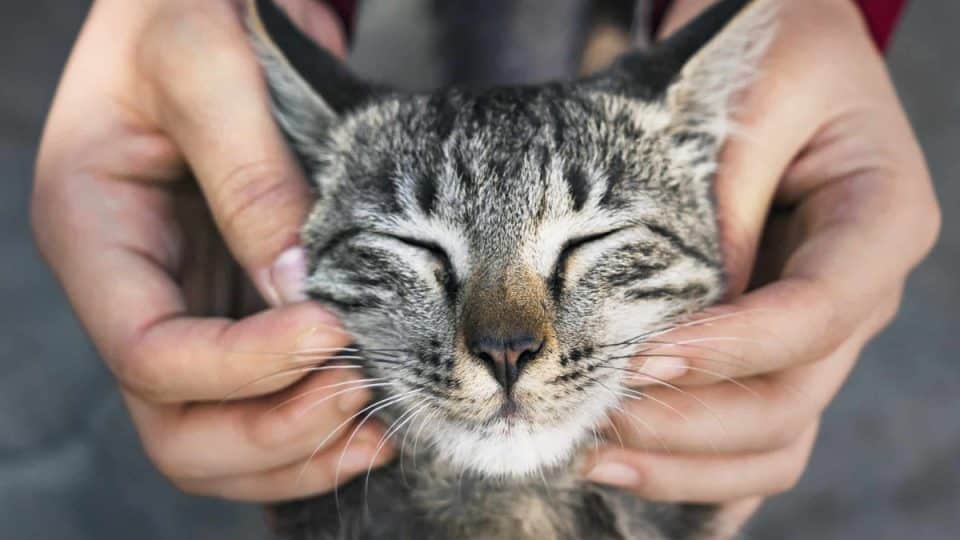
While cats don’t outright smile, they do have expressions that act in a similar manner, like the slow blink. Sometimes called a “cat kiss,” this subtle but meaningful gesture is a deliberate behavior that your cat makes to show they’re content and calm being with their loved ones. Cats also slowly blink at other cats to extend trust and friendship.
Curiosity
Cats are built to explore, and a happy cat is often a curious cat. Confident kitties driven by their curiosity will be more likely to engage in interactive play with their human, other cats, or toys.
They’ll also be more likely to investigate their environment, poking their noses into closets and cupboards and stuffing themselves into the tiniest of cardboard boxes.
Conversely, stressed and fearful cats are more likely to hide and cautiously observe the world from a safe spot.
Playful and active
Happy cats are more active and eager to play. “Playing with your cat regularly—twice daily in the morning and evening—is highly recommended and is the best way to reduce stress,” Cassiday says.
Play, however, looks different for every cat, with age being a big factor. Kittens have boundless energy, climbing over everything, chasing and pouncing, biting and kicking, and wrestling and tumbling.
As cats mature and grow into adulthood, these actions typically transform into more deliberate and focused play that mimics parts of the hunting sequence, such as stalking, pouncing, and chasing (like trying to catch a laser pointer).
By the time a cat is a senior, play sessions are typically shorter and less intense to match their lower energy levels. For instance, happy senior play might look like gently batting, snuggling, or chewing a catnip toy.
SilviaJansen via iStock
Drooling
Dogs aren’t the only ones who drool. Dribbling while making biscuits, relaxing, or being petted are all signs of a happy cat. Not all cats drool when they’re happy, though, so it’s okay if your happy kitty doesn’t.
Drooling can also signify stress, fear, or illness, so pay close attention to context clues like body language and vocalizations.
Consistent eating, sleeping, and grooming routine
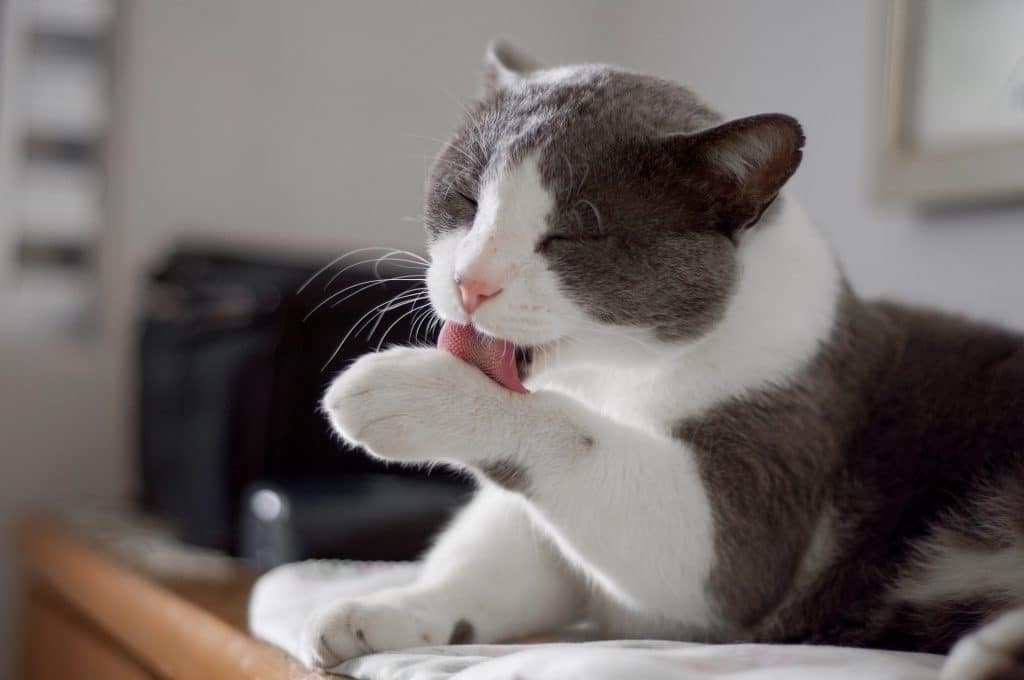
“The primary thing to look for in a happy cat is that they’re comfortable performing their normal and natural behaviors,” Cassiday says. Sleeping, eating, and grooming habits vary among cats, with some sleeping as many as 20 hours and others as little as 12. Note what’s normal for your kitty, and talk to your vet if you spot any changes.
Upright or quivering tail
Cats use their tails to express how they feel. You can tell if a cat is happy by an upright tail. It’s basically a cat’s way of saying, “Hi! Nice to see you!” A quivering tail pointed up and held high is also usually a declaration of happiness and excitement.
This happy cat behavior is often paired with other actions like rubbing against your legs, enthusiastic headbutts, and purring.
Affectionate
Cats are more solitary animals than dogs, but that doesn’t mean they aren’t social. A cat’s affection toward their humans and other cats varies, but a happy, well-socialized cat tends to be less timid or aggressive than a stressed-out cat.
A happy cat may show their affection by sleeping on you, curling up on your lap, licking you, or headbutting you. Cassiday also notes that cats in happy multi-cat households may play with each other, sleep next to or near each other, or engage in mutual grooming.
-

iStock/Caíque de Abreu
What If My Cat Is Unhappy?
If you just brought a cat home and aren’t sure yet if they enjoy your company, don’t despair. It may take a while for them to settle in and feel comfortable. It’s extremely common for new cats to act skittish and hide in a new environment. However, if this behavior continues after a few months without any progress, your cat may not be happy.
“Many unhappy cats will spend much of their time in hiding because their unhappiness is a response to fear, anxiety, and stress,” says Kirby.
Signs that a cat is unhappy include:
- Destructive behavior: knocking things over, scratching furniture, or chewing on non-food items.
- Lack of appetite or, conversely, overeating
- Withdrawal or hiding
- Increased meowing, yowling, or crying
- Obsessive behaviors like chasing their tail or pacing
- Excessive grooming to self-soothe
- Changes in sleep
- Spraying
- Increased aggression and irritability
Common causes include loneliness, understimulation, and anxiety. Your vet is a good first stop to rule out underlying health conditions.
If your kitty gets a clean bill of health, consider reaching out to a cat behaviorist, who can assess your cat’s needs, identify stressors, and create a personalized plan for your kitty to live their happiest life.
It’s also a good idea to share notes with your pet sitter. Make a list of things that your cat enjoys in your Rover care instructions, and be sure to include their individual behaviors that signal they’re happy and content. That way, your pet sitter stays up to date and knows how to keep them happy when you’re away.
Happy Cat FAQ
Is my indoor cat happy?
“Most cats can be quite content living indoors as long as they’re actively stimulated by their environment and their family every day,” says Kirby. However, cats that truly crave the outdoors may scratch at the door or windows, sit by the door, pace, or meow excessively.
If your cat is showing these signs, you can find some common ground by providing window perches, building a catio, or even teaching them to walk on a harness and leash.
What are the signs that a cat is happy in their new home?
New cats may take some time to adjust to their surroundings. You can tell that a cat is starting to feel happy at home when they begin exploring more of the house and seeking out social interaction. They’ll also be eating, drinking, and using the litter box normally.
To help your cat feel happy in their new home, create a safe space that’s all their own, gradually introduce them to other household pets, and keep a consistent routine.
How to tell if your cat is happy alone?
Many cats are happiest staying in their own home when their humans are gone. A cat who is happy being left alone will continue their daily habits normally and greet you calmly with relaxed and happy body language when you return.
Cats who are lonely, on the other hand, will show signs of distress, such as excessively grooming, destroying things in the house, or peeing and pooping outside the litter box.
If your cat is sensitive to your absence, consider hiring a pet sitter to drop in and give them some love and attention while you’re away.