9 Tips for a Dog-Friendly Yard
If you’re a pet sitter, you’ve probably given some thought to yard proofing for dogs. A properly pet-proofed yard makes it easier to supervise your Rover guests and lowers the likelihood of accidents. But it can be hard to think of everything when you’re caring for dogs of different sizes, breeds, and temperaments.
Not to fear! We’ve simplified yard-proofing for dogs with checklists that address potential risks, plus key considerations for specific breeds and behaviors. Our number one piece of advice? Always supervise pets outside—even if you have a fenced-in yard.
Here’s your guide to making your yard a safe and fun place for all the Rover dogs you look after.
Tidy Up
Maintaining a tidy yard is a good practice for pet sitters. For one, photos of a well-manicured lawn give your sitter profile an edge. A tidy, visible yard also minimizes potential hazards and lets you scan the area for hazards more easily.
Here’s a handy checklist to help you clean up your outdoor space.
- Rake & bag fallen leaves. Piles of wet leaves can harbor mold and bacteria, and they make prime hiding spots for pests like insects, rodents, and snakes.
- Mow grass & dispose of clippings. Keep your grass short to prevent pest infestations like ticks, fleas, and yellow jackets. Be sure to dispose of grass clippings, too—wet clumps can harbor bacteria and cause digestive problems or choking.
- Remove harmful weeds. Get rid of any prickly grasses, like foxtail, which can get stuck in a pet’s skin, nose, or paws.
- Clear debris. Remove stones, broken pots, and sharp branches to prevent injury.
- Clean up firepits. Dispose of ash, charcoal, and any sharp pieces of wood.
- Eliminate standing water. Drain any stagnant water sources, including birdbaths and kiddie pools, to prevent algae growth and mosquitoes (which can carry heartworm).
- Organize heavy objects. Secure or relocate piles of bricks or logs to ensure they don’t topple onto pets.
- Inspect groundcover and bushes. Overgrown areas can conceal dangers like sharp objects, insects, or small animals.
- Secure trash cans. Ensure trash bins have pet-safe lids or locks to keep your Rover guests from rummaging through them and making a mess or ingesting harmful items.
Walk the Fence Line
Having a fenced-in yard is a big advantage for pet sitters—but it’s not a guarantee that dogs will stay safely on your property. Dogs who are nervous about staying in an unfamiliar home may be inclined to stage a breakaway. Escape risks are also a concern for bored pups or dogs with a high prey drive.
Before hosting your Rover guests, walk your fence line and check off the following tips.
- Inspect your fence for gaps. Regularly check for any gaps or weak spots where panels meet or at ground level. Even small openings can be an escape route for curious pups—small dogs need less room than you think to squeeze out!
- Reinforce against digging. Ideally, your fence will go 12-24 inches into the ground—if it doesn’t, consider adding a layer of buried chicken wire. You can also block soft areas under the fence with rocks or protective mesh.
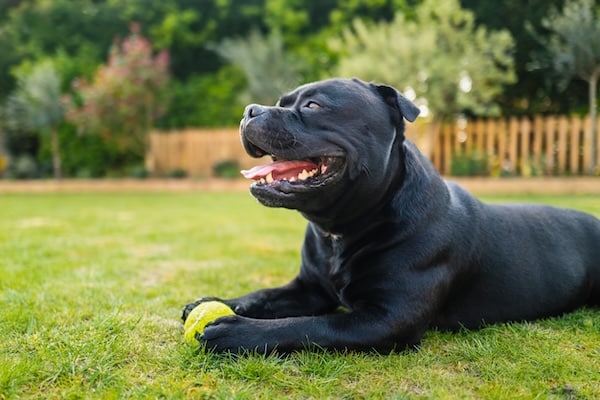
- Consider the height. A pet-proof fence should be at least six feet high, especially for athletic pups like Greyhounds and herding dogs. A trellis with climbing plants can add height and bulk. Otherwise, use a leash for dogs who like to jump.
- Secure gates. Make sure all gates are well-maintained and have childproof locks. Replace any flimsy latches and add a hook-and-eye closure for extra security.
- Check for perches or raised surfaces. Remove objects along the fence line—such as patio furniture, piles of wood, or trash cans—that dogs can use as a launching pad to get over the fence.
- Block pool access. Even strong swimmers can struggle to get out of pools and hot tubs. Putting a pet fence around your pool is a good fix.
-

CBCK-Christine via iStock
Check for Dangerous Plants
Did you know many popular plants can be harmful to dogs and cats? A quick assessment of the plants in your yard can help keep your canine visitors safe.
- Block access to dangerous plants. Identify any toxic plants in your garden and either remove them or create barriers around them. Thorny plants and bushes can be problematic as well.
- Opt for dog-safe plants. If you’re looking to add plants, enhance your yard with pet-safe options like rosemary, sunflowers, or marigolds.
- Protect your greenery. If you have delicate seedlings, flower beds, or vegetable patches, use mesh fencing or chicken wire to keep them safe. Raised beds or netting can also keep pets away from plants.
- Use pet-friendly lawn & garden treatments. If possible, make the switch to non-toxic fertilizers, pest control methods, and ice melt. If you must use harsher chemicals, keep Rover dogs away from the area.
- Be cautious with mulch. Cocoa mulch can attract pets with its scent but is toxic if ingested. Use dog-safe mulch instead.
Keep Gardening Tools and Products Locked Away
Gardening supplies present another risk. Keep your Rover pups safe by being mindful of how you store these items.
- Secure toxic substances. Store fertilizers, pesticides, animal repellents, and any other chemicals in a locked cabinet or high shelf in the garage.
- Store tools safely. Sharp tools and small items like screws, nails, and batteries should be kept away from inquisitive paws.
- Pick up snap traps. Keep mouse traps away from areas accessible to your Rover guests. Avoid using rodent poison if you have clients coming over.
- Lock shed doors. Always keep shed doors shut and locked to prevent pets from wandering in and getting into something harmful.
Fight Odors
Pet sitting turns your lawn into a doggy potty station—but there are ways to keep it fresh-looking and odor-free. These strategies will help you manage the impact that Rover dogs have on your grass.
- Designate a potty area. Set aside a specific spot in your yard for bathroom breaks. This minimizes widespread damage and makes cleanup easier, since all the waste will be contained in one area.
- Water the potty spot. After dogs do their business, promptly spray down the area with water. This dilutes urine and prevents lingering odors, especially on porous concrete surfaces, which can retain bad smells.
- Use enzymatic cleaners. Invest in an enzymatic lawn cleaner that uses “good bacteria” to break down the smell of urine.
- Pick up waste right away. Clean up any solid waste immediately. This prevents other dogs from sampling a fellow dog’s “treasures”—and it keeps you from accidentally stepping in them.
Add Enrichment
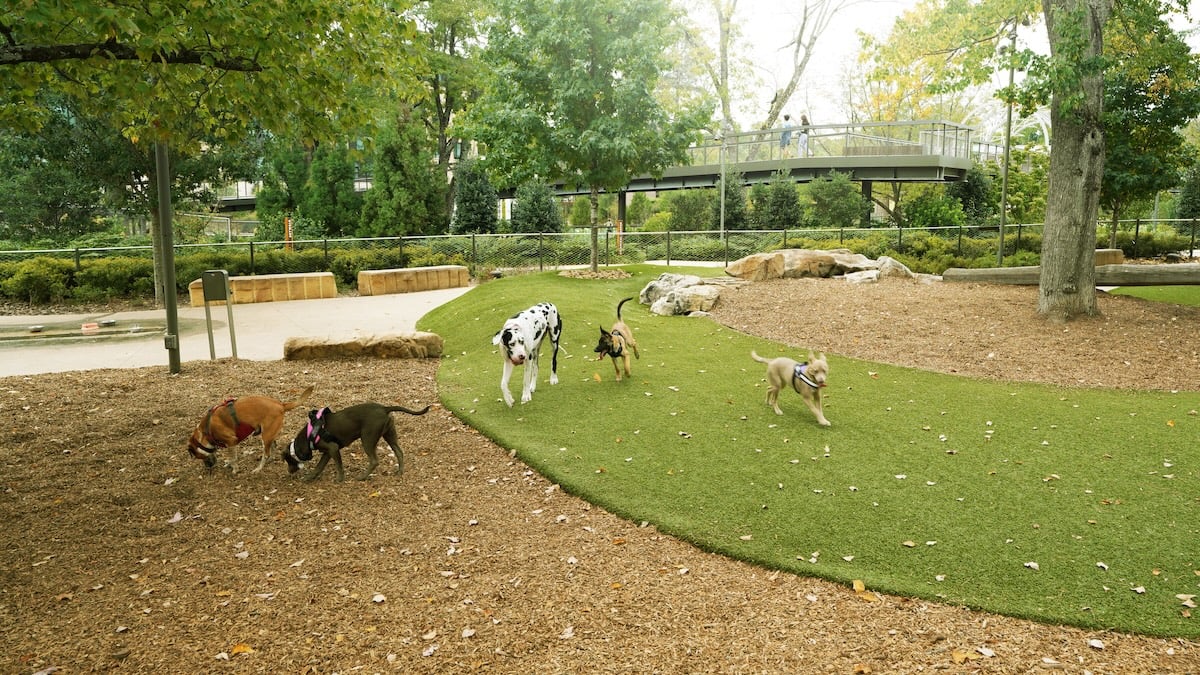
Looking to entertain your Rover dogs and help them burn off energy? Adding enrichment to the yard can help! Consider some of the following tips and tricks for making the yard fun.
- Interactive toys and games. Bust boredom by providing a variety of toys that cater to different doggy play styles. Some options include chew toys, fetch balls, tug toys, puzzle toys, and flirt poles. Just keep an eye out for resource guarding if you have multiple guests.
- Create an obstacle course. If you have the space, create a simple agility course using cones, hoops, or tunnels. This can be a fun challenge for canine athletes and high-energy dogs.
- Digging opportunities. Give dogs who love to dig a designated area to channel this instinct. Create a digging pit or fill a sandbox with sand or soil, and bury toys for dogs to discover.
- Add water fun. Set up a kiddie pool or a sprinkler for hot days, and include dog water toys.
- Create a sensory garden. Engage your guests’ senses with a small exploratory garden featuring dog-safe plants, water features, and dog-safe mulch. Herbs like mint and rosemary are stimulating yet safe for dogs to nibble.
- Add rest areas. Set up cozy spots for pets to relax and recharge. A shaded area with comfortable outdoor bedding and fresh water provides the perfect retreat.
-

Debra McVey via iStock
Breed- and Size-Specific Tips
As part of yard-proofing, it’s a good idea to account for risks that are specific to certain types and sizes of dogs. If you frequently care for any of the following pets, consider these tailored pet-proofing strategies.
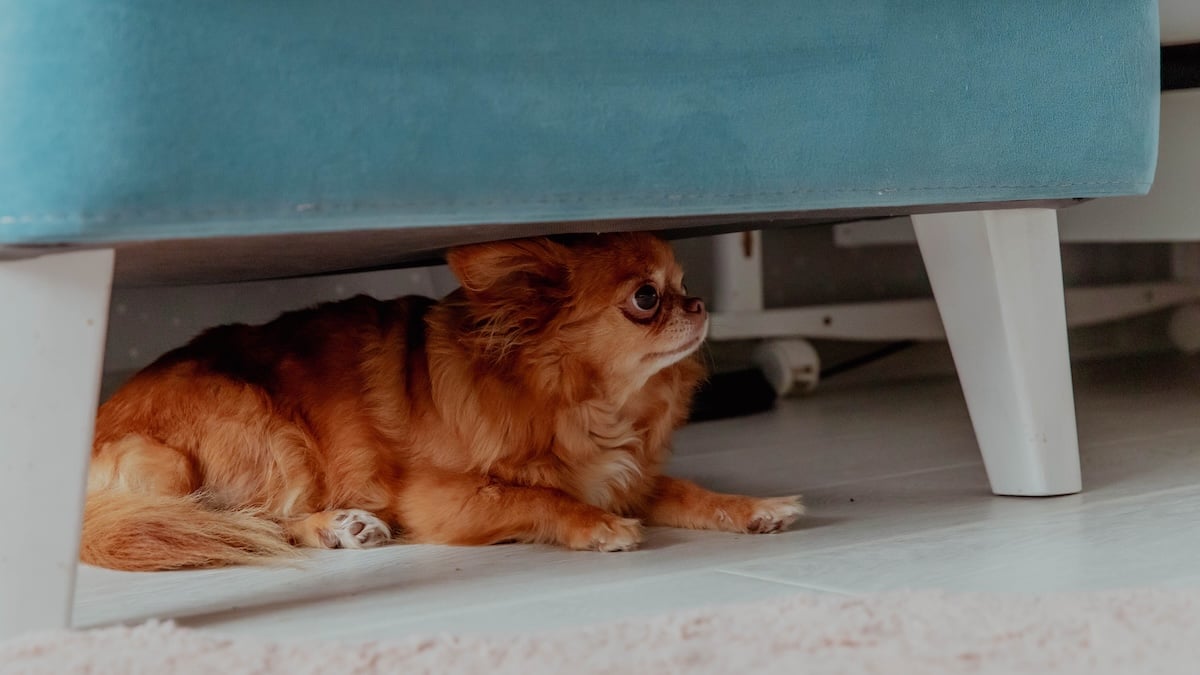
Small, flexible dogs
Key dangers:
- Escape risks through tiny gaps in fencing.
- Injury from getting wedged in fencing.
- Vulnerability to predators like coyotes and birds of prey.
Make your yard safer for smaller dogs by sealing any gaps along your fence line with lattice or wire mesh.
To prevent predators from entering your yard, consider installing coyote rollers at the top of your fence, and be extra vigilant during dawn and dusk, when wildlife is most active. Motion-activated lights and sprinklers can also deter wildlife from approaching your yard.
Additionally, securely store trash and pick up fallen fruit from trees to lower your yard’s appeal to outside critters.
Large, strong dogs
Key dangers:
- Knocking over garbage cans and recycling bins.
- Jumping over or breaking through inadequate fencing.
- Digging under fences or barriers.
To pet-proof for bigger dogs, start by reinforcing your fence line. Make sure it’s an adequate height and that gates can’t be pushed open easily. Garbage cans should be stored in a locked shed or secured with bungee cords to prevent tipping.
Digging breeds
Key dangers:
- Escaping by digging under fences.
- Injuries from digging up sharp objects or holes.
- Destruction of gardens and landscaping.
Breeds like Dachshunds and Siberian Huskies have a natural urge to dig. Discourage digging under your fence line by installing chicken wire or placing rocks around the perimeter. You could also designate a specific area where dogs are allowed to dig. This could be a sandbox or a pit filled with sand.
Bored dogs are more prone to digging, so make sure your furry visitors have ample opportunities for exercise and interactive play.
Jumping breeds
Key dangers:
- Risk of escape or getting lost.
- Potential injuries from falls.
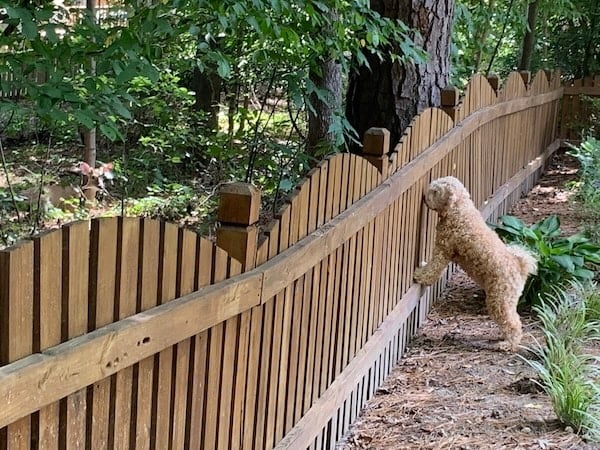
For jumping breeds like Greyhounds and Jack Russell Terriers, consider adding height to your fence with a trellis or lattice panels. You could also add inward slanting panels at the top to deter climbing. Regularly check your yard’s perimeter for surfaces that jumpers could use as a launch pad.
Breeds with high prey drive
Key dangers:
- Escape risks if they spot (or smell) wildlife outside the yard.
- Injuries from attempting to break free.
- Increased anxiety or stress if they spot other animals.
Contain breeds with a high prey drive by reinforcing any weak spots in your fence. You could also use a long line to keep these pups safe while giving them room to roam.
Regular exercise gives them an outlet for extra energy. You can also channel a dog’s natural prey drive with enrichment and interactive play. Try flirt poles, fetch, or tug-of-war.
Puppies
Key dangers:
- Escaping due to curiosity or fear.
- Vulnerability to illnesses if unvaccinated.
- Chewing on harmful objects or waste left by wildlife.
Thoroughly inspect your fence for gaps that could allow tiny, curious pups to escape. Puppies explore the world with their mouth, making it doubly important to keep your yard clear of debris, hazardous materials, and toxic plants.
Be mindful of vaccination requirements, especially if wildlife frequents your yard or you share outdoor space with other people who have pets.
What If You’re House Sitting?
Even if you’re staying in someone else’s home, it’s a good idea to take steps to ensure pets are safe in the yard. Dogs may feel anxious or upset about their owner’s absence, which can lead them to get into things they normally wouldn’t.
When house-sitting Rover pets, watch out for:
- Fencing integrity. If your client has a fenced-in yard, walk the perimeter to check for gaps that their pet could slip through. Check for areas that dogs could jump over, too.
- Gate security. If you go through a gate, make sure you close and latch it behind you. Make sure gates are sturdy and can’t be pushed open.
- Trash bins. If your house-sitting responsibilities include taking out the trash, ensure bins are sealed and secure.
- Shared spaces with wildlife. Predators may not be an issue in your neighborhood, but they could be at your client’s. Keep a watchful eye out for any wild animals, and always supervise pets closely outside.
If a pet does get into trouble or escapes, it’s crucial to act quickly. Don’t hesitate to call Rover for immediate assistance. We’ll give you advice for safely recovering a runaway pet and have partner organizations that specialize in pet safety. We’re here for you 24/7 at 888-727-1140.